

T0051
Hokkaido Central Region - Rooted
Sapporo
Guided/FIT:
Guided
Highlights
A 4-Day Study of Landscape, Terroir & Civic Art. Visits to wineries in Yoichi, architecture in Niseko and civic art in Sapporo & Bibai. Taste the region at its origin — where sea air and cold climate define the profile. Stay at refined retreats and revitalize in luxurious ryokan.
Story
Food Rooted in Soil, Art Rooted in the City
Central Hokkaido is Japan’s northern frontier. A land shaped by cold climate, vast skies, and agricultural risk.
Hokkaido feeds Japan. Its food self-sufficiency exceeds 200%.
But abundance is not the story.
The real question is:
How does a frontier landscape become culture?

Why Here - The Origin & Philosophy
Central Hokkaido (道央) stretches from:
Yoichi on the Sea of Japan coast
through Niseko & Lake Toya, shaped by volcanic activity
to Sapporo, the island’s modern capital
It is defined by:
Japan’s largest agricultural plains
Mineral-rich volcanic soil
Cool-climate viticulture
A frontier city planned in the 19th century
In this region:
Volcanic soil gives birth to wine.
Harsh winters shape architectural minimalism.
Modern urban planning becomes a canvas for public art.
Food and art are not separate expressions.
They are parallel responses to the same environment.
This is not rural Hokkaido. Nor is it purely urban.
It is a region where:
Agriculture, design, and civic identity evolved together.
Food is grown in the rich soil of Hokkaido, and the luxury of enjoying it is in its most natural form.
We must not forget our respect for the producers who support this food through their daily work with nature.
Living sustainably — we wish to experience the essence of this way of life under Hokkaido’s vast open skies.
Art that blends seamlessly into the city also forms a sustainable environment that leads toward our future.
To be rooted in the soil, to listen carefully to the landscape.
Both food and art pass through our lives and continue on toward the future.
Central Hokkaido is where:
Landscape becomes philosophy.
Culinary Philosophy
Central Hokkaido tastes like weather.
Cuisine born from cold, shaped by scale, finished with restraint.
From the Fields
Potatoes. Onions. Corn. Carrots.
Wheat for bread.
Dairy with depth.
From the Soil & Sea Air
Yoichi Pinot Noir, Kerner, Zweigelt.
Small production. Natural fermentation.
Minerality carried in from the coast.
From the Frontier
Hokkaido wagyu.
Ezo deer.
Lamb — the home of Jingisukan.
From Northern Waters
Uni. Scallops. Snow crab.
Signature Table Moments
Vineyard lunch in Yoichi
Seasonal kaiseki — the land, in sequence
Contemporary tasting menu with local venison
Sushi shaped by cold seas
Optional: Sapporo Beer Museum (heritage of the frontier)
Here, cuisine expresses:
Scale. Precision. Seasonality. Restraint.
The Experience
Encounter agriculture rooted in a cold climate (Winery visits)
Visitors will tour wineries cultivated beneath vast open skies, experiencing the texture of the soil and the richness of nature.
By tasting wines grown and produced on-site, guests will gain a tangible sense of terroir and sustainable environments.
This serves as the first step in understanding the connection between soil and food.
Cuisine made from Hokkaido ingredients
Using fresh vegetables, rice, meats, and seafood made possible by Hokkaido’s fertile land, top chefs create cuisine as art.
Here, the journey flows from soil to food, and from food to art.
Accommodation and restaurants designed by Hokkaido architects
Guests will enjoy unhurried time in calm, refined spaces enveloped by architectural beauty.
Art integrated into the city
Participants will visit works by artists connected to Hokkaido, as well as parks designed by internationally renowned artists.
By experiencing art that exists alongside everyday life, guests will feel the relationship between people and art within the city, and reflect on the artists’ vision of art rooted in the community.
Itinerary Outline
Day 1 — “Food Rooted in Soil”
Sapporo or Chitose → Yoichi → Niseko area
Visit wineries in Yoichi and enjoy cuisine rooted in the local land.
Stay at an architecturally significant accommodation or dine at a design-focused restaurant.
Day 2 — “Art Rooted in Soil / Art Rooted in the City”
Niseko, Toya
Visit artists who love and work in the region.
Visit galleries of Japanese painters and ceramic artists.
Enjoy locally sourced cuisine while taking in natural landscapes.
Experience art that blends seamlessly into the scenery.
Day 3 — “Art Rooted in the City / Food Rooted in Soil”
Niseko → Sapporo
In a government-designated city known for its park planning, experience art integrated into daily urban life.
Visit parks designed by world-renowned artists and reflect on their philosophies.
Beer and local cuisine such as Genghis Khan, which developed alongside Hokkaido’s pioneering history, also express terroir-driven thinking.
Day 4 — “Art Rooted in the City / Soil, Food, City, Art”
Visit a museum dedicated to an artist connected to Hokkaido, gaining insight into the origins of works seen on Days 2 and 3.
On the final evening, dine at a restaurant whose concept integrates wineries, accommodations, and artworks visited throughout the journey — bringing together soil, food, city, and art.
Sample Visits
1) Wineries
Visit pioneering wineries (cool-climate terroir at Japan’s northern edge)
Visit is conditional (e.g., producer/buyer-level relevance, limited access, subject to approval)
If access is not granted: curated alternatives (vineyard-view tasting, meeting with another producer, or a comparative tasting session)
Taste the region at its origin — where sea air and cold climate define the profile

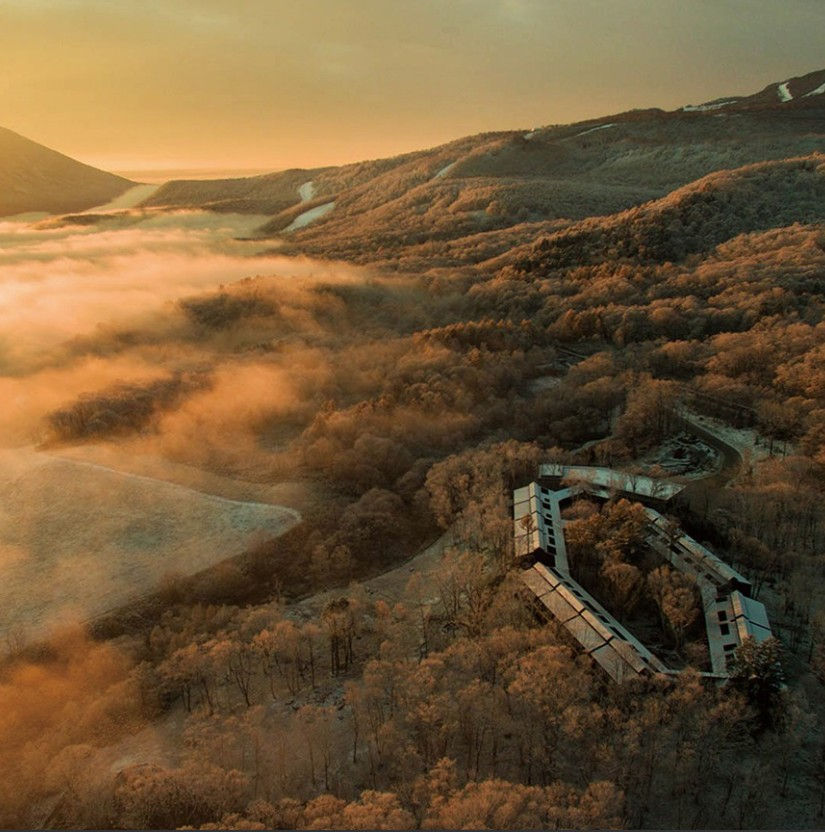
2) Architecture in Niseko
Stay at refined retreats
Architecture shaped by climate and silence
Materials, negative space, and framing that turn snow into a design element
(Images © MAKOTO NAKAYAMA ARCHITECTS.)


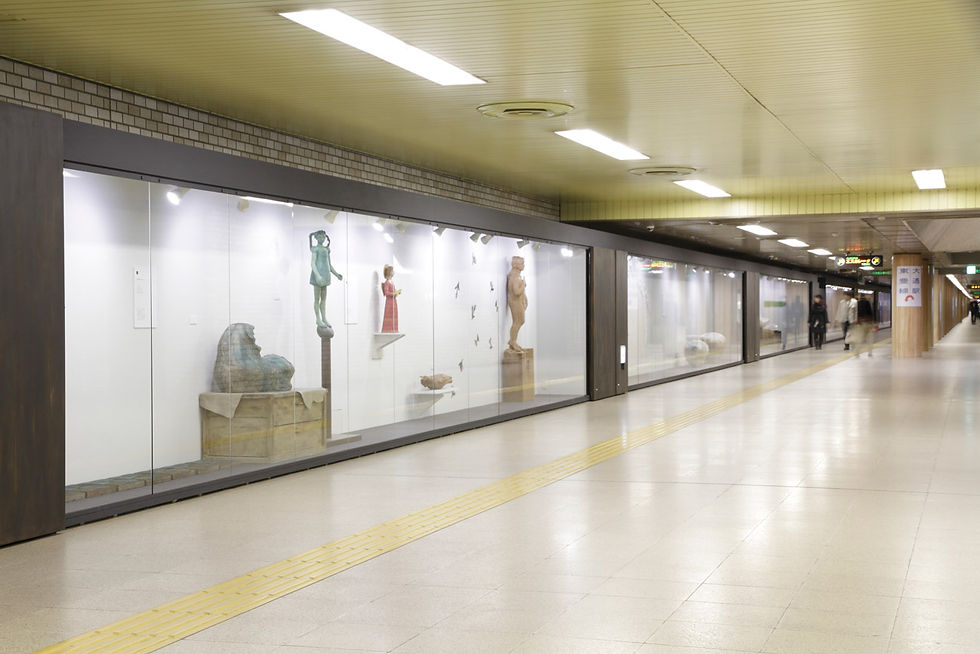
3) Civic Art in Sapporo & Bibai
Walk through Moerenuma Park, master-planned by Isamu Noguchi
Visit Arte Piazza Bibai, centered on the work of Kan Yasuda
Art integrated into civic life — not exhibited, but lived with

Ideal Guests
This journey resonates with:
Architects & urban planners
Contemporary art collectors
Wine professionals
Sustainability-oriented travelers
Design-conscious cultural explorers